
FY27 budget ‘to reflect’ Space Force need for rapid capabilities growth: Saltzman
Chief of Space Operations Gen. Chance Saltzman said today that the White House, the Office of Management and Budget and DoD all agree that the service needs to grow.
Chief of Space Operations Gen. Chance Saltzman said today that the White House, the Office of Management and Budget and DoD all agree that the service needs to grow.

As the Space Force approaches its sixth birthday, there needs to be an assessment of "gaps and seams" between it and its sister services, said retired USAF Col. Jennifer Reeves, who authored the paper.


GA-ASI will build Gambit aircraft in Europe, partnered with European-based companies, with airframes available for international procurement starting in 2027.

NRO Deputy Director Maj. Gen. Christopher Povak said that the spysat agency soon will begin using a new commercial contract vehicle with a five-year "rolling" window for bids.

Building dynamic space operations concepts will be necessary to force "flexibility," and provide capabilities for "maneuver and surprise" on orbit, the new report by the Mitchell Institute says.

In this op-ed, Charles Galbreath argues the Space Force should adopt in-space servicing, assembly, and manufacturing as a means to maintain space superiority over China.

The interview signalled a rapprochement between Saltzman and the institute, following his Feb. 20 ban on engagement with Mitchell by Space Force personnel.


As operating environments grow more complex, Link 16 provides instantaneous, mission-wide connectivity to ensure no aircraft flies alone.

The order follows a Mitchell report criticizing Saltzman's overarching theory of space power, dubbed "Competitive Endurance," as too focused on defensive operations rather than offensive actions.

The new report cautions the Space Force against an "over reliance" on commercial capabilities and worries that Space Force is not concentrating enough on the need to win future space conflicts not simply "endure" attacks.

The Goldwater-Nichols Act has resulted in "a pervasive pattern within the military of neglect of long-term defense procurement strategies and requirements," the Mitchell Institute argues in a new policy paper.
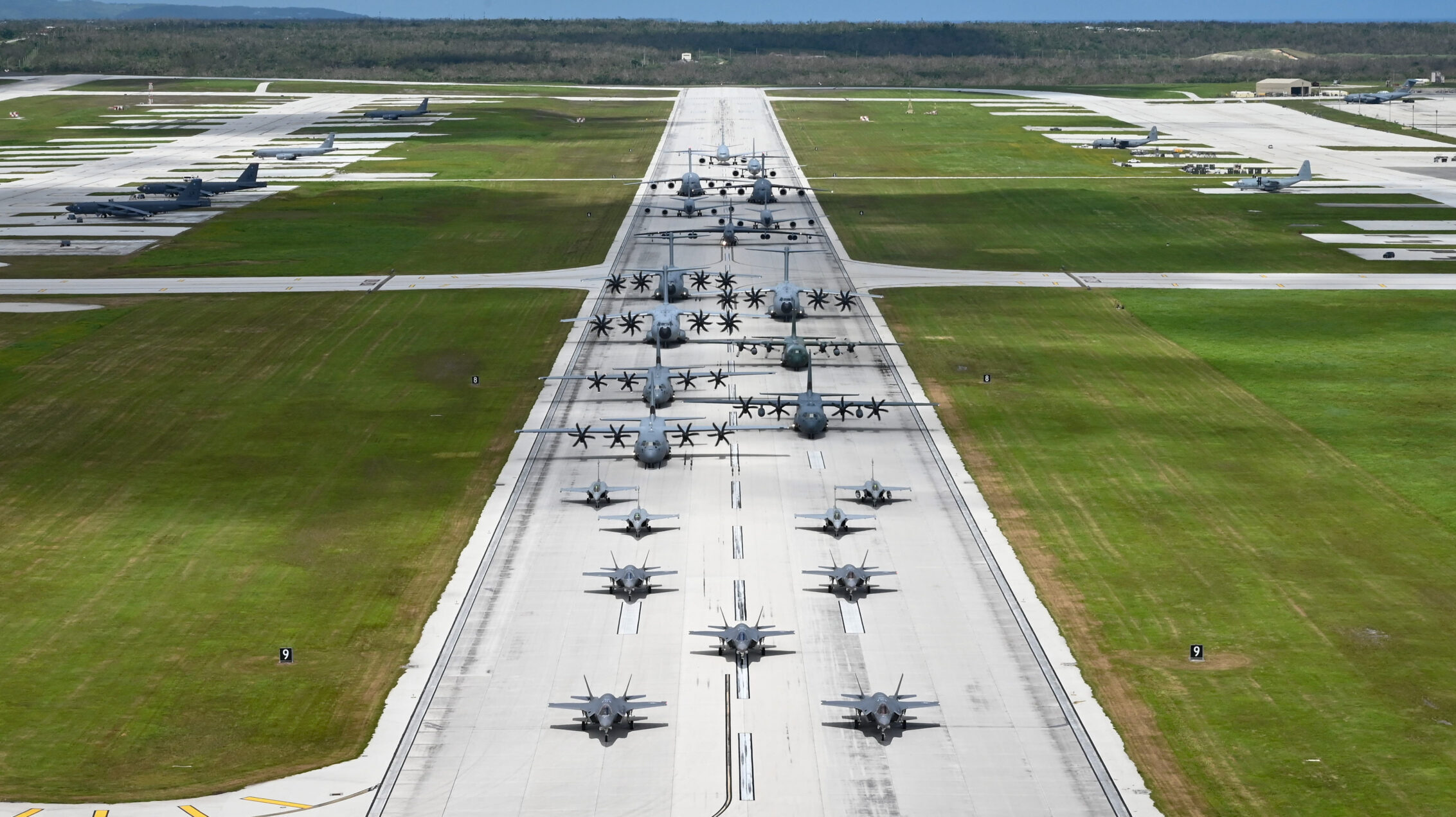
“If I had to categorize it, modernization costs are something that we still need,” Lt. Gen. David Harris told Breaking Defense. “And there's even some readiness pieces in here that allow me to have the right supply and support. All of that still needs to come together.”


As NATO and European governments accelerate investment in space-based intelligence, decision advantage will depend on how quickly sovereign and commercial capabilities can be fused into a trusted operational picture.

In this op-ed, two Mitchell Institute experts argue that the Army's Space and Missile Defense Command is overstepping with its plans to increase space personnel and space control capabilities.

The Mitchell Institute is advocating that from now on Congress bolster the Space Force's budget by "about $250M a year" and "increase end strength by approximately 200 personnel for the new responsibilities associated with emerging national interests on the moon and the cislunar region."

As Breaking Defense toured Boeing's Seattle area facilities where the E-7 radar plane will take shape, company officials talked about getting the bird in the air — and their vision for what it can do.
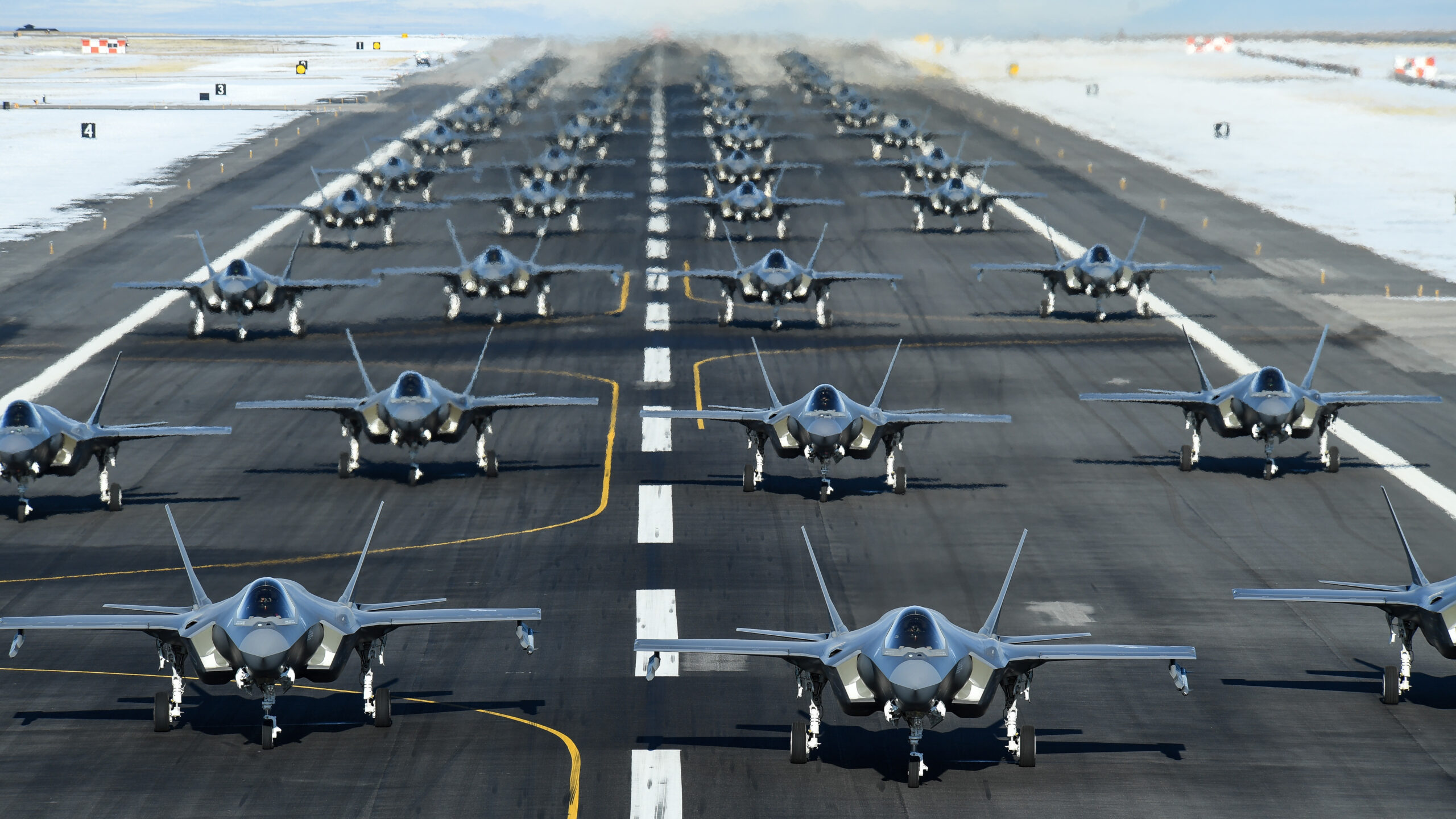
While billions over budget and years behind schedule, “Block 4 is going to be fundamentally, radically better,” especially in electronic warfare, argued AFA’s Doug Birkey. “In many ways, it’s an entirely new jet.”